

Dry Eye Syndrome affects millions of people worldwide, and with increasing screen time, cases are rising rapidly across all age groups. If you’ve been diagnosed with dry eyes, or suspect you have it, you’ve likely encountered two very different treatment paths: allopathic (modern medical) and Ayurvedic. Rather than choosing sides, it’s worth understanding how each approach works so you can make an informed decision, or even combine both effectively.
What Is Dry Eye Syndrome?
Dry Eye Syndrome occurs when your eyes don’t produce enough tears, or when the tears evaporate too quickly, leading to symptoms like:
- Persistent dryness or grittiness
- Burning or stinging sensation
- Redness and irritation
- Blurred vision that improves with blinking
- Sensitivity to light
- Excessive watering (as a reflex response to dryness)
The Allopathic Approach to Dry Eye Treatment
How It Works
Modern medicine primarily treats dry eyes symptomatically, focusing on restoring moisture and reducing inflammation.
Common Treatments
- Artificial Tear Drops – Lubricating drops used multiple times a day
- Anti-inflammatory Eye Drops – Such as cyclosporine-based drops for chronic cases
- Punctal Plugs – Small devices inserted into tear ducts to reduce tear drainage
- Warm Compresses – To improve oil gland function in the eyelids
- Lifestyle Advice – Reduced screen time, humidifiers, and blinking exercises
Pros
- Quick, often immediate symptomatic relief
- Well-researched and clinically validated
- Effective for acute or severe cases requiring urgent management
Cons
- Often addresses symptoms rather than root cause
- Long-term dependence on drops in chronic cases
- Some drops contain preservatives that can cause irritation with prolonged use
The Ayurvedic Approach to Dry Eye Treatment
How It Works
Ayurveda views dry eyes as a manifestation of aggravated Pitta and Vata dosha affecting the Alochaka Pitta (the sub-dosha governing vision). Treatment focuses on restoring balance and nourishing eye tissues from within, rather than just adding external moisture.
Common Treatments
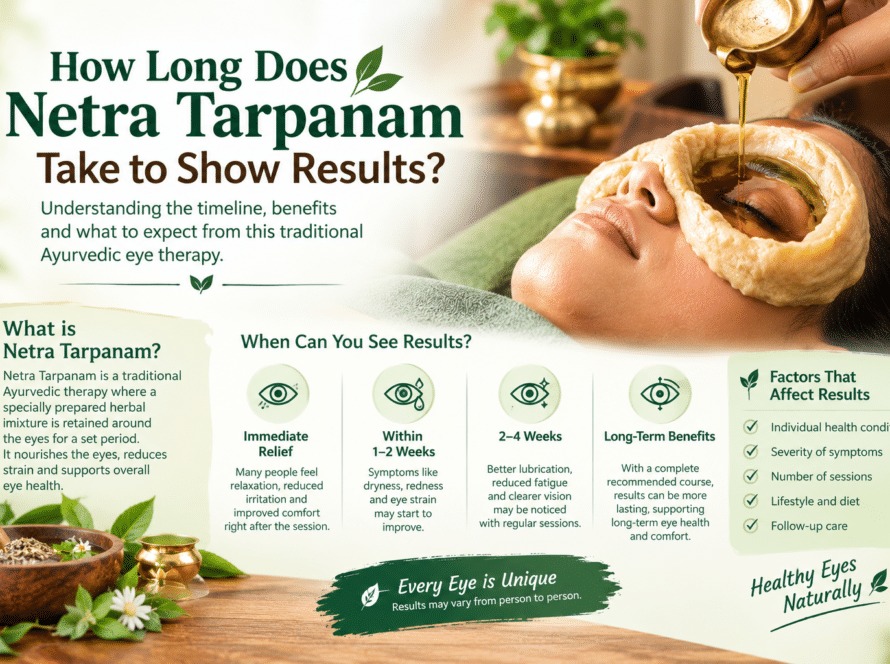
- Netra Tarpanam – Medicated ghee therapy that deeply nourishes and lubricates the eyes
- Triphala Eye Wash – A natural, anti-inflammatory rinse for irritation and redness
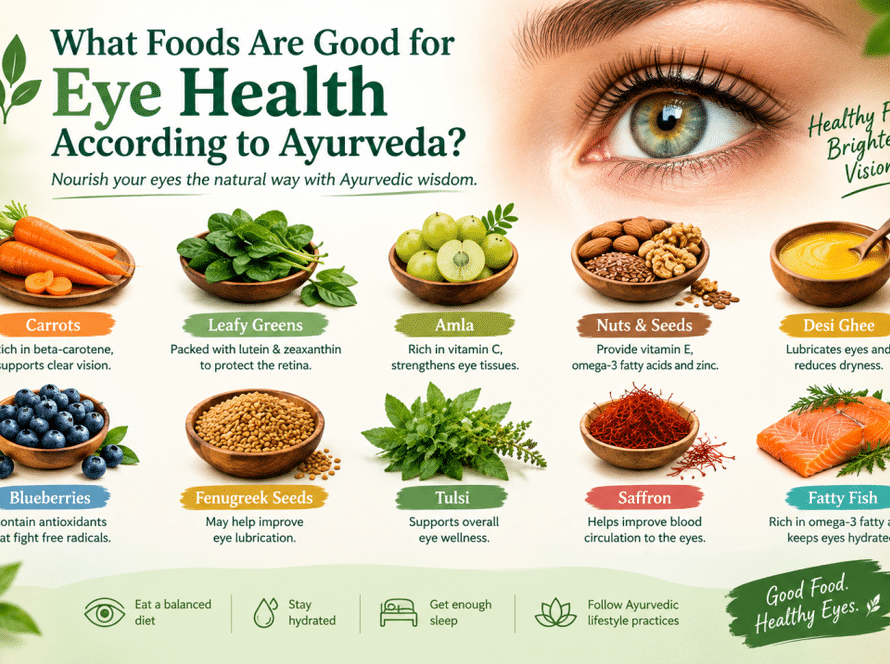
- Dietary Changes – Pitta-pacifying foods like ghee, coconut water, and leafy greens
- Panchakarma (in chronic cases) – Detoxification therapies to address underlying imbalances
- Lifestyle Guidance – Sleep hygiene, reduced screen exposure, and eye exercises
Pros
- Addresses root cause (dosha imbalance) rather than just symptoms
- Non-invasive and generally free of chemical preservatives
- Can offer longer-lasting relief when followed consistently
- Complements overall health, not just eye symptoms
Cons
- Results take longer to appear compared to eye drops
- Requires consistency and, ideally, professional supervision for therapies like Netra Tarpanam
- Not as extensively studied in large-scale clinical trials as allopathic treatments
Which One Should You Choose?
Choose Allopathic Treatment If:
- You need quick relief from acute symptoms
- Your dry eyes are linked to a specific medical condition requiring monitoring (e.g., autoimmune disorders)
- You’re already under an ophthalmologist’s care for another eye condition
Choose Ayurvedic Treatment If:
- You’re dealing with chronic, recurring dry eyes despite using drops
- You want to address the root cause rather than manage symptoms indefinitely
- You prefer a natural, non-chemical approach and are willing to commit to consistent therapy
Consider a Combined Approach
Many patients find the best results by combining both systems, using allopathic drops for immediate relief during flare-ups while incorporating Ayurvedic therapies like Netra Tarpanam and dietary changes for long-term management. Always inform both your ophthalmologist and Ayurvedic practitioner if you’re pursuing this combined approach, so they can coordinate your care appropriately.
Frequently Asked Questions
Q: Can I use artificial tear drops and Netra Tarpanam together? A: Generally yes, but it’s best to space them apart and consult both practitioners to ensure there’s no interference between treatments.
Q: Which treatment gives faster results for dry eyes? A: Allopathic eye drops typically offer faster symptomatic relief, while Ayurvedic treatments like Netra Tarpanam tend to offer more gradual but longer-lasting improvement.
Q: Is Ayurvedic treatment effective for severe dry eye syndrome? A: Ayurvedic therapies can help manage even chronic cases, but severe cases often benefit from an integrated approach combining both allopathic and Ayurvedic care under professional guidance.
Final Thoughts
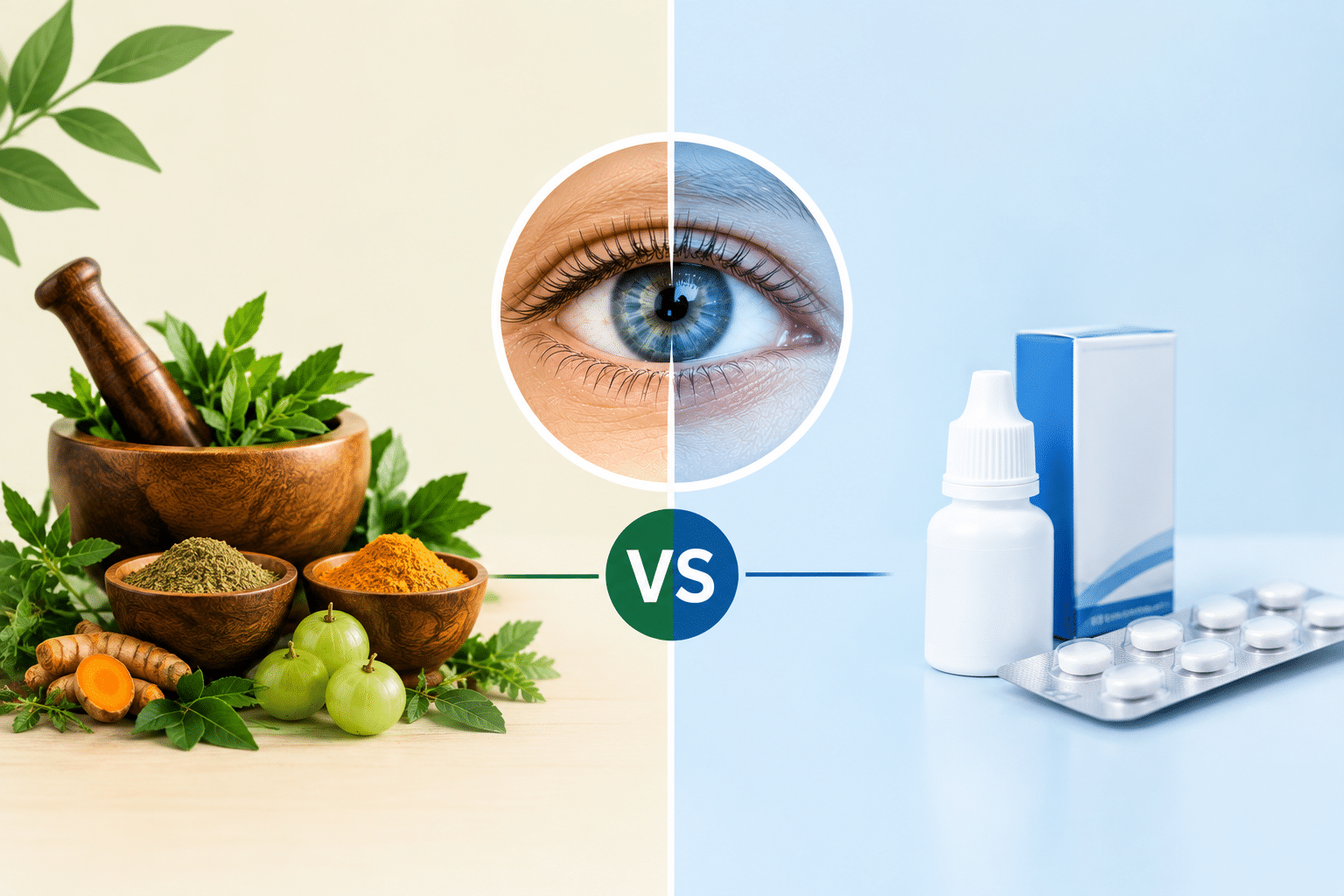
There’s no one-size-fits-all answer to Ayurvedic vs allopathic treatment for dry eyes, it depends on the severity of your condition, how quickly you need relief, and your personal preference for treatment philosophy. For many people, a thoughtful combination of both, quick relief from modern medicine and long-term root-cause care from Ayurveda, offers the most balanced path to healthier, more comfortable eyes.
If you’re unsure which approach suits your specific case, consulting an experienced Ayurvedic eye care specialist can help you understand your options and build a personalized treatment plan.