

Some eye conditions need more than a clinic visit. A planned stay lets your specialist give therapies daily, watch your response and adjust treatment as you go. Competitor hospitals attract patients from across the country for exactly this reason, and so does ours. The Eye IPD at Om Ayurveda Eye Care Centre is built for patients who need continuous, supervised Ayurvedic eye care in a calm, comfortable setting.
What Is an Eye IPD?
IPD stands for In-Patient Department. You are admitted for planned treatment and observation, instead of visiting for a single consultation. Most patients first visit the Eye OPD, where the specialist decides whether admission would help.
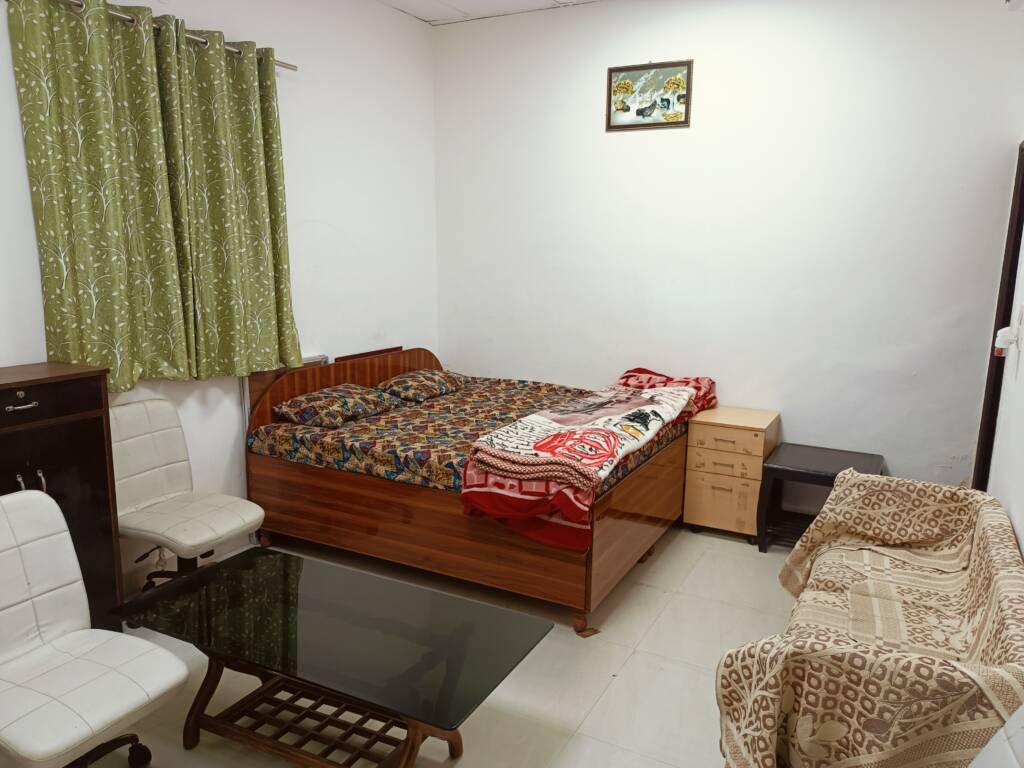
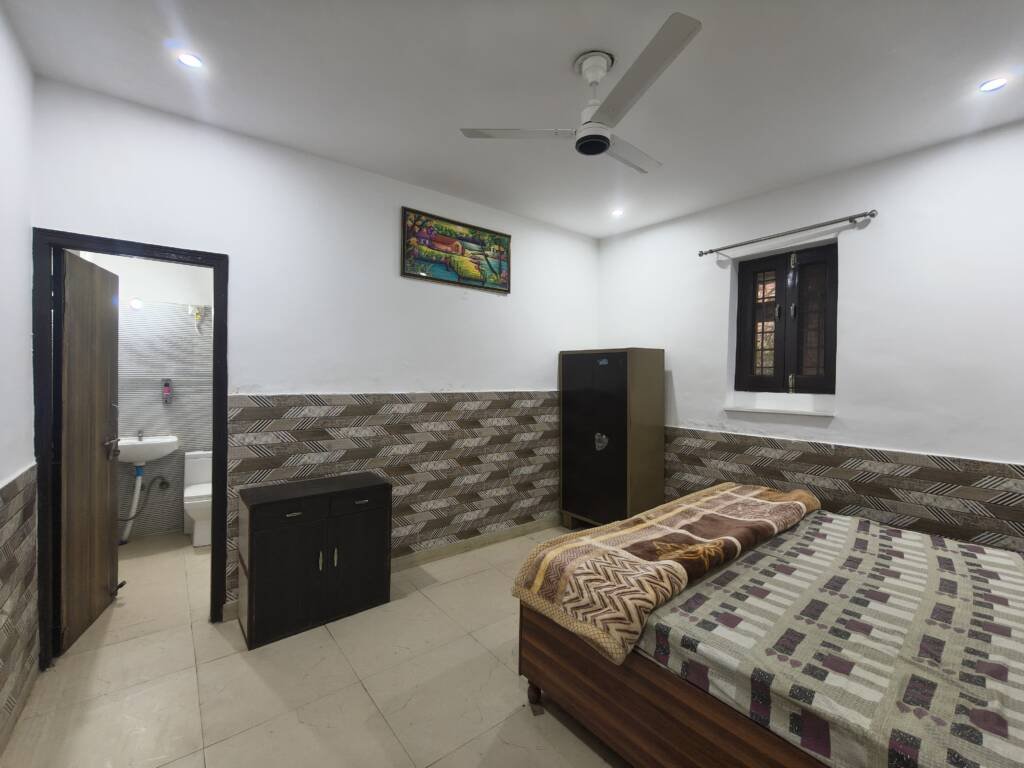
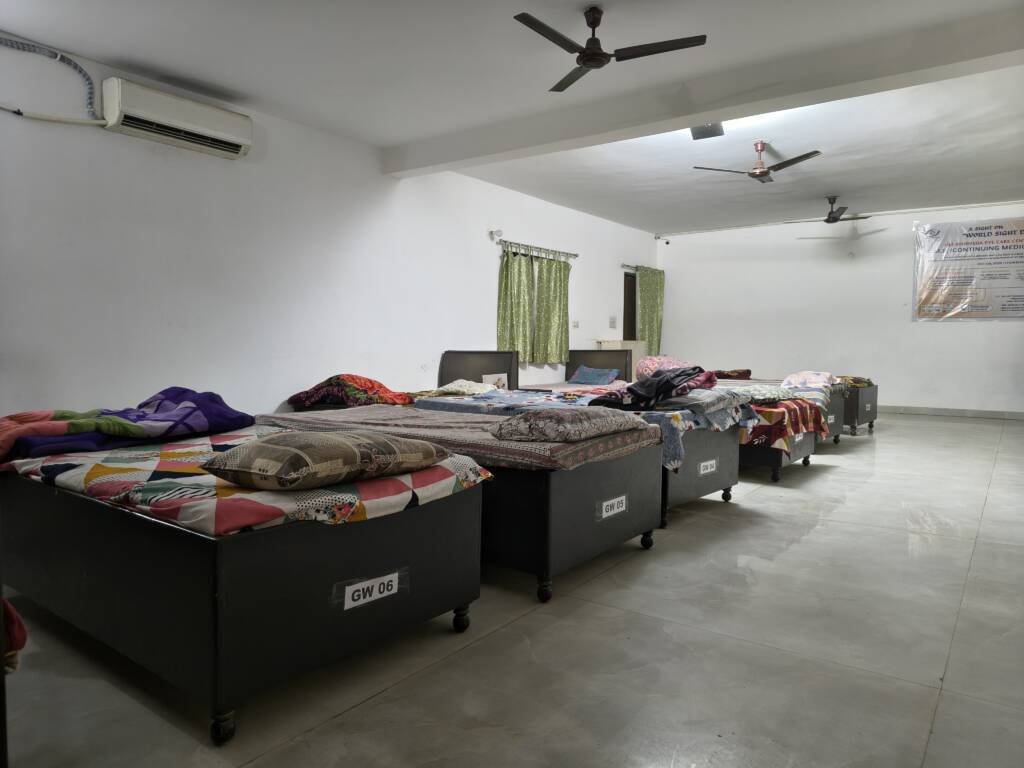
General Ward
Semi Deluxe Room
Deluxe Room
Why Some Patients Need Inpatient Care
Many Ayurvedic eye therapies work best when given on consecutive days, with preparation before and rest after. Doing this as an outpatient means daily travel and a break in routine that is hard to keep. Admission removes these hurdles and allows:
- Daily therapies given on schedule
- Preparatory and cleansing care when advised
- A controlled diet and routine that supports healing
- Close observation of how your eyes respond
- Quick adjustment of medicines and procedures
- Rest away from screens, work and stress
What Inpatient Eye Care Includes
- Diagnostic evaluation at admission
- Therapeutic eye procedures such as Netra Tarpanam, Akshi Sekam, Netra Kizhi-Swedanam and Netra Pindi
- Head and nervous system therapies such as Shirodhara, Shirovasthi, Takra Dhara and Thalapothichil
- Preparatory therapy such as Snehapanam and selected Panchakarma, when your specialist advises
- Herbal medicines prescribed to your condition
- Diet and lifestyle guidance. See our diet tips
- Eye exercises and yoga. See our Yoga Club
- Close monitoring by the medical team
- Family briefing before discharge, so you understand the recovery plan
See every therapy on our Eye Treatment page.
How an Inpatient Course Is Usually Structured
Every plan is personal, but many follow this general order:
- Assessment and preparation: examination, reports review and gentle preparation of the body
- Cleansing or balancing phase: therapies that correct the underlying imbalance, when advised
- Main eye therapies: focused procedures for the eyes, spread over consecutive days
- Consolidation: rest, rejuvenating care and diet that lock in the benefit
- Discharge planning: medicines, home care, diet and follow-up dates
[ADD: your usual stay duration range, for example “most inpatient courses run for X to Y days, depending on the condition”].
A Typical Day During Your Stay
Your timetable is set by your specialist, but a day may include:
- Morning review by the doctor and medicines
- Scheduled therapies such as eye procedures or head therapies
- Rest after therapy, away from bright light and screens
- Meals planned to suit the treatment
- Gentle eye exercises or yoga when advised
- Evening review and a calm, early night
Diet During Treatment
Food is part of the treatment. During your stay you will be advised meals that are warm, fresh and easy to digest, with the right amount of ghee, and told what to avoid, such as very spicy, fried, sour and processed foods. [ADD: whether meals are provided to inpatients]. Read foods for eye health according to Ayurveda.
Rooms and Comfort
Choose the stay that suits you:
- General Ward
- Semi Deluxe Room
- Deluxe Room
[ADD: attendant policy and whether a family member can stay with the patient]. Call us for current availability and charges.
Conditions Suited to Inpatient Care
Patients from Haryana and other states of India come to us for conditions such as:
- Severe eye strain
- Chronic dry eye disease
- Degenerative eye disorders, including retinal degenerations and retinitis pigmentosa
- Diabetic eye complications. See diabetic retinopathy
- Progressive vision problems such as glaucoma and optic neuropathies
- Long-standing inflammatory conditions such as uveitis
Whether admission is right for you is decided after examination. Browse all eye diseases we treat.
Is Admission Right for Me?
An inpatient stay may help if:
- Outpatient therapy has not given enough relief
- Your condition is chronic or progressive
- You live far away and prefer a continuous course
- You need a break from work and screens to recover
- Your specialist advises close supervision
If your problem is mild, OPD care is often enough, and we will tell you so.
For Outstation Patients
Patients come to us from Haryana and other states. To plan well:
- Call +91 8377000737 and share your main problem and reports.
- Visit the OPD first, unless your specialist advises otherwise.
- Carry all medicines, reports and a list of allergies.
- Plan your stay for the whole course, because stopping midway reduces benefit.
- [ADD: follow-up options after discharge such as phone or video review].
The centre is near Unitech Cyber Park and close to the metro station.
Admission Checklist
- Photo ID and contact details of a family member
- Previous eye reports, scans and prescriptions
- Blood sugar, blood pressure and other recent reports
- All current medicines
- Comfortable cotton clothes and personal items
- Sunglasses for outdoor movement after therapy
Health Insurance Note
Many health insurance policies in India cover AYUSH inpatient treatment, subject to their terms. Please check your policy conditions and ask our front desk what documents you need. [ADD: whether cashless facility or insurance claims support is available].
Cost and Duration
The cost of an inpatient course depends on the room you choose, the length of stay, the therapies advised and the medicines. [ADD: starting room charges or the line “Please call us for current room and package charges”]. We explain the plan and the estimated cost before admission so there are no surprises.
Discharge and Follow-Up
Before discharge your specialist explains the medicines, the home routine, the diet and the warning signs to watch for, along with your review dates. Your family is included in this talk. Continue the plan after you go home, because lasting benefit depends on it. Read Ayurvedic eye care tips after 40 and see our preventive ophthalmology programme.
Important Note
Inpatient Ayurvedic care complements, and does not replace, urgent medical or surgical care. For emergencies like sudden vision loss or injury, go to a hospital emergency department first. Continue prescribed medicines unless your doctor advises otherwise.
Helpful Reading
Frequently Asked Questions
Q1. What is the difference between OPD and IPD?
Answer: OPD (Outpatient Department) is for consultations and treatments that generally do not require hospital admission. IPD (Inpatient Department) involves hospital admission for ongoing care, treatment, and observation.
Q2. Is there an eye hospital with inpatient care in Gurgaon?
Answer: Yes. OM Ayurveda Eye Care Centre provides Ayurvedic inpatient eye care in Sector 40, Gurugram. Admission depends on the patient’s condition and the specialist’s assessment.
Q3. What room types are available?
Answer: The centre offers General Ward, Semi Deluxe Room, and Deluxe Room options. Contact the centre to confirm availability, facilities, and charges.
Q4. How long is a typical inpatient stay?
Answer: The length of stay depends on the eye condition, treatment plan, and individual response. Your specialist will explain the expected duration during consultation.
Q5. Do I need to visit the OPD before admission?
Answer: Usually, yes. An OPD consultation helps the specialist assess your condition and determine whether inpatient care is appropriate.
Q6. Can patients from other states get admitted?
Answer: Yes. Patients from Haryana and other states can enquire about admission. Contact the centre in advance to discuss appointments, travel arrangements, and treatment requirements.
Q7. Does IPD include diet guidance?
Answer: Yes. Dietary guidance and lifestyle recommendations may be included in your care plan according to your condition and individual needs.
Q8. Can a family member stay with me during admission?
Answer: Attendant or family-member stay arrangements depend on the centre’s policies and room availability. Please contact the centre directly for confirmation.
Q9. Can I use my phone and laptop during my stay?
Answer: Your specialist may recommend limiting screen time if it contributes to eye strain or discomfort. Follow the advice provided for your particular condition.
Q10. Can I continue my regular medicines during admission?
Answer: Inform your treating doctor about all prescribed medicines, supplements, and Ayurvedic products you take. Do not stop or change any medication without medical advice.
Q11. Is insurance accepted for Ayurvedic inpatient eye treatment?
Answer: Coverage for AYUSH inpatient care depends on your insurance policy, the treatment, and the insurer’s terms. Contact the centre’s front desk and your insurance provider to confirm eligibility before admission.
Q12. What happens after discharge?
Answer: Your discharge plan may include home-care instructions, prescribed medicines, dietary guidance, and follow-up appointments. Follow the plan and seek medical advice if your symptoms worsen.
Q13. Is Ayurvedic inpatient eye treatment safe?
Answer: Safety depends on the condition, the therapies used, and appropriate medical supervision. Serious eye conditions require timely assessment by a qualified ophthalmologist, and Ayurvedic care should not delay necessary treatment.
Q14. Where is OM Ayurveda Eye Care Centre located?
Answer: OM Ayurveda Eye Care Centre is located at 1093, Sector 40, near Unitech Cyber Park, Gurugram, Haryana. Contact the centre to confirm admission details, room availability, and consultation timings.